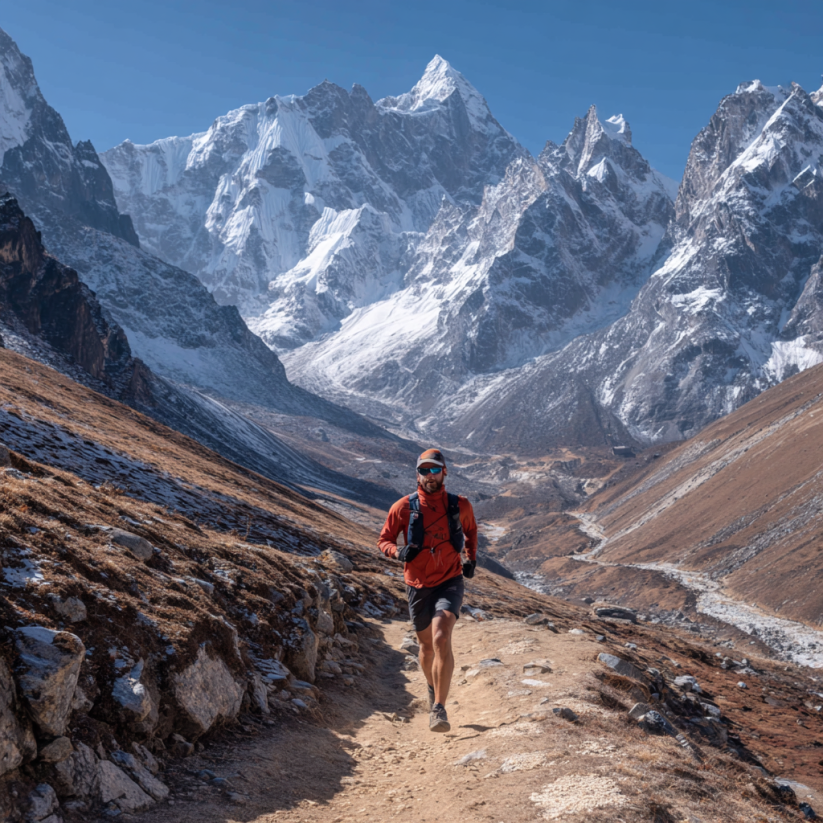
Embarking on a trek — whether it’s a high-altitude climb like Kilimanjaro, a week-long hike in Patagonia, or a wild jungle adventure — is exciting. But let’s be real: training for it can feel like a slog. Long hikes, endless squats, and lung-burning stair climbs make even the most enthusiastic adventurer question their life choices. The good news? You don’t need a personal trainer, a mountain at home, or three hours a day in the gym to get trek-ready. You just need smart training, consistency, and a mindset that keeps you going.
Here’s how to train for a trek without quitting — practical, achievable tips that fit into real life.
1. Set Clear Goals
Before lacing up your boots, ask yourself:
How long is the trek?
What kind of terrain will I face?
Am I aiming for endurance, strength, or both?
Having a clear goal keeps you motivated. For example, if you’re planning a week-long trek in the Andes, you’ll need stamina for multiple days of hiking, plus strength for uneven terrain. A short weekend trek? Focus on hill climbs and general fitness. Writing down your goals also helps track progress — nothing beats the satisfaction of checking off milestones.
2. Make It Part of Your Routine
Consistency beats intensity. Even 20–30 minutes a day of targeted training is better than sporadic marathon sessions. Integrate exercises into your routine:
Stairs or hills: Simulate elevation gain without leaving your city. Carry a backpack for added resistance.
Backpack walks: Load a daypack with weight similar to what you’ll carry on your trek. Short walks around your neighborhood work wonders.
Bodyweight exercises: Squats, lunges, and step-ups strengthen legs. Push-ups and planks build core stability, which helps with balance on tricky trails.
Think of training as “daily adventure practice” rather than a chore. Even a ten-minute stretch and step routine counts.
3. Mix Cardio and Strength
Trekking isn’t just about long walks. You’ll need:
Cardio endurance: Running, cycling, or brisk walking improves stamina. Start small and gradually increase distance or intensity.
Leg strength: Strong quads, glutes, and calves prevent knee strain and improve uphill performance.
Core stability: Planks, Russian twists, and balance exercises help when crossing uneven terrain.
A balanced approach ensures you’re ready for hours on the trail without collapse.
4. Use Functional Training
Functional exercises mimic the movement patterns of trekking. Instead of just lifting weights, try:
Step-ups onto benches or stairs with a weighted backpack.
Walking lunges with added resistance.
Single-leg balance drills to improve stability on rocky trails.
Functional training makes your body more efficient on actual hikes, so when you’re climbing a slope or crossing a stream, it feels less like struggle and more like “this is normal.”
5. Train Your Mind Too
Physical fitness matters, but trekking is as much mental as it is physical.
Visualization: Imagine yourself on the trail, finishing the day, or reaching the summit. Mental rehearsal prepares you for fatigue and discomfort.
Break it into segments: Focus on small goals — the next hill, the next checkpoint — rather than the entire trek.
Positive reinforcement: Celebrate milestones, even small ones. Every extra flight of stairs or 5 km walk is progress.
Your brain can quit long before your legs, so mental training keeps you moving when it counts.
6. Practice With a Loaded Backpack
Nothing simulates a trek better than carrying weight. Start with a light pack, gradually increasing the load to what you’ll carry on your trip.
Day hikes with your backpack get your body used to weight distribution.
Adjust straps and hip belts to reduce strain.
Include essentials like water, snacks, and layers so it feels realistic.
By the time you hit the actual trail, your back and shoulders will already know the routine.
7. Include Rest and Recovery
Overtraining is a fast track to quitting. Your muscles need recovery:
Rest days: Include at least one full rest day per week.
Stretching: Prevent soreness and improve flexibility.
Sleep: Quality sleep accelerates muscle repair and endurance.
Remember, trekking prep isn’t a sprint; it’s a steady build-up.
8. Nutrition and Hydration
Your body needs fuel to handle training and the trek itself:
Protein: Supports muscle growth and repair.
Carbohydrates: Provide energy for long sessions.
Healthy fats: Sustain longer endurance efforts.
Hydration: Water before, during, and after training keeps you performing and recovers faster.
Treat training as a mini trek — your body is the vehicle, so feed it well.
9. Make It Fun
The biggest reason people quit training is boredom. Keep it enjoyable:
Train with a friend or group.
Explore new trails or parks.
Listen to podcasts or music.
Set small, achievable challenges.
When training feels like adventure practice rather than a chore, you’re more likely to stick with it.
10. Track Progress and Celebrate
Keep a journal or use an app to track hikes, distance, elevation, and weight carried. Watch your endurance grow over weeks. Celebrate reaching a new milestone — an extra kilometer, a heavier backpack, or a longer uphill climb. Positive reinforcement keeps motivation high.
Quick Weekly Training Example
Day 1: 30–45 min cardio + core exercises
Day 2: Strength training: squats, lunges, step-ups
Day 3: Hike with a loaded backpack
Day 4: Rest or light yoga/stretching
Day 5: Cardio interval training (stairs, hills)
Day 6: Long walk or hike with backpack
Day 7: Rest
Adjust for your fitness level and trek difficulty — the key is consistency, not perfection.
Training for a trek doesn’t have to be intimidating or boring. The secret is smart, consistent, functional exercises combined with mental preparation. Start small, track progress, and gradually increase intensity. Include fun, rest, and realistic backpack practice.
By the time your trek arrives, your body will feel ready, your mind will be prepared, and the experience will feel less like survival and more like freedom. You’ll move through trails with confidence, enjoy every view, and have the stamina to truly soak in the adventure — without ever thinking, “I can’t do this.”