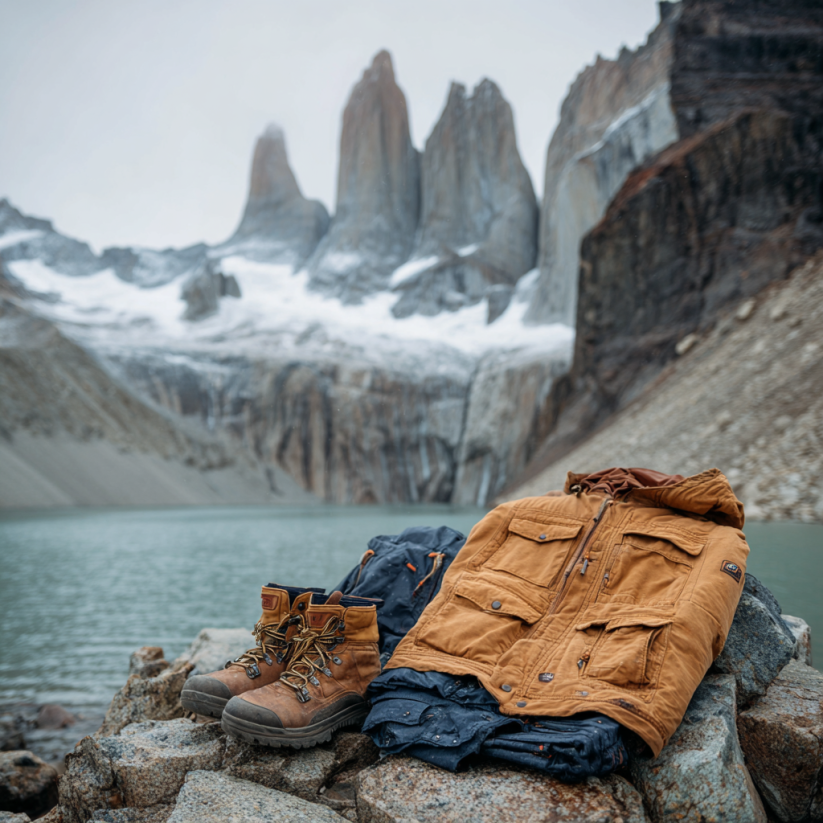
Patagonia isn’t a destination you just casually throw a hoodie and sneakers into a bag for. It’s wild, raw, and known for having some of the most unpredictable weather on Earth. One moment you’re sweating under the sun, the next you’re being slapped sideways by rain, and then suddenly you’re watching snow fall in the middle of summer. Locals like to joke: “Don’t like the weather? Wait five minutes.”
So, if you’re heading down to Torres del Paine, El Chaltén, or anywhere across this southern edge of the world, packing smart isn’t optional — it’s survival. And packing light? Well… let’s just say you’ll thank yourself later if you do.
Here’s the breakdown of what to pack for Patagonia so you stay warm, dry, and not cursing yourself in the middle of a windswept valley.
1. Layers Are Everything
Forget big bulky coats. Patagonia is the land of layers, where you’ll peel things off and pile them back on all day long. The goal is to be ready for anything without carrying your entire closet.
Base Layer (thermal underwear): Merino wool or synthetic — keeps you warm even if it gets damp. Cotton? Forget it.
Mid Layer (insulation): A fleece or lightweight down jacket. Down is lighter, but synthetic handles wet weather better.
Outer Layer (shell): A proper waterproof, windproof jacket with a hood. This is the one item you cannot cheap out on. Patagonia winds laugh at “water-resistant.”
For bottoms, a pair of trekking pants that dry quickly is enough, with a pair of thermal leggings for layering when it gets cold.
2. Footwear: Invest or Regret
If there’s one thing that can ruin your trek in Patagonia, it’s bad footwear. Trails here are muddy, rocky, wet, and often unpredictable.
Hiking Boots: Waterproof, broken-in, with solid ankle support. Don’t bring brand-new boots unless you enjoy blisters.
Camp Shoes/Sandals: After 10 hours of trekking, your feet will scream for something light. Crocs or sturdy sandals work.
Socks: Merino wool hiking socks — at least 3–4 pairs. Double-layer if you’re blister-prone.
Pro tip: Pack one sacred dry pair of socks that never, ever get worn in the rain. They’re for sleeping only, and they will feel like heaven.
3. Backpack & Essentials
A good backpack is your lifeline out here. Even if you’re using refugios (mountain lodges) instead of camping, you’ll be carrying your gear all day.
Backpack (40–60L): Big enough to fit your layers, food, and water. Make sure it has a rain cover — the Patagonia sky doesn’t mess around.
Daypack (20L): If you’re doing shorter day hikes around El Chaltén or Perito Moreno, a small pack makes life easier.
Dry Bags or Ziplocks: For electronics, clothes, and anything you’d prefer not to get soaked. Trust me, even “waterproof” backpacks eventually give up.
4. Sleep & Camp Gear (if you’re camping)
Refugios are great, but if you’re planning to camp (cheaper, wilder, and honestly kind of the best experience), then you’ll need to bring a few extras.
Tent: Four-season if possible, but at least a sturdy one that won’t fold in the wind.
Sleeping Bag: Rated at least to -5°C (23°F). Nights get cold, even in summer.
Sleeping Mat: Insulated, not just inflatable. Ground temps will steal your warmth otherwise.
Even if you’re not camping, a lightweight sleeping bag liner can make refugio beds feel a bit cozier.
5. Food & Hydration
The good news: water in Patagonia is some of the cleanest in the world. On most treks, you can drink straight from streams and rivers. Still, pack a filter bottle if you want peace of mind.
Water Bottles/Hydration Bladder: At least 2L capacity. You’ll drink more than you think.
Snacks: Nuts, chocolate, protein bars — lightweight, calorie-dense.
Stove & Cooking Gear (if camping): Small gas stove (check local regulations), pot, spork. Food prices in refugios are sky-high, so if you’re on a budget, carry your own supplies.
6. The Little Things You’ll Thank Yourself For
Here’s where most travelers either roll their eyes or skip — until they regret it halfway into their trek. Don’t be that person.
Buff/Neck Gaiter: Doubles as scarf, face mask, sun protection, wind guard.
Gloves: Lightweight but windproof. Even summer winds can freeze your fingers.
Hat: A warm beanie + a sun hat. Yes, you’ll need both.
Trekking Poles: Kneesavers. Especially on long downhills.
Headlamp: Essential if you’re starting hikes before sunrise.
Sunscreen + Sunglasses: The UV here is brutal, even when it’s cloudy.
First Aid Kit: Blister patches (Compeed or similar), painkillers, bandages.
Toiletries: Quick-dry towel, biodegradable soap, wet wipes (lifesaver when there’s no shower).
Power Bank: Charging stations in refugios are limited and often crowded.
And one random but critical item: duct tape. Your boot sole comes loose? Tent pole snaps? Backpack rips? Duct tape saves the day.
7. The One Thing Everyone Forgets
Here’s the sneaky one: earplugs.
Whether it’s howling winds against your tent, refugio roommates snoring like chainsaws, or a symphony of frogs near your campsite, Patagonia is rarely quiet. Earplugs mean you actually sleep, and sleep means you actually enjoy the trek instead of dragging yourself through it like a zombie.
8. Packing Mindset: Less Is More
It’s tempting to bring “just in case” gear, but every extra kilo in your backpack is something you’ll curse by day two. Patagonia teaches you fast that comfort on the trail doesn’t come from stuff — it comes from being light and free to move.
A good rule: if you’re unsure about an item, don’t pack it. You can always rent gear in Puerto Natales or El Chaltén if you discover you really need something.
Final Thoughts
Packing for Patagonia is about balance. You want to be prepared for the extremes, but not so overloaded that you’re miserable carrying it all. Stick to the essentials, focus on quality gear that fights wind and rain, and remember that flexibility is key — because the only predictable thing in Patagonia is that the weather will surprise you.
In the end, it’s worth every ounce you carry. When you’re standing at sunrise under the Torres towers, or listening to ice calving off a glacier, you won’t be thinking about the extra effort it took to pack right. You’ll just be glad you did.